
From Social Action to Public Health Commitment
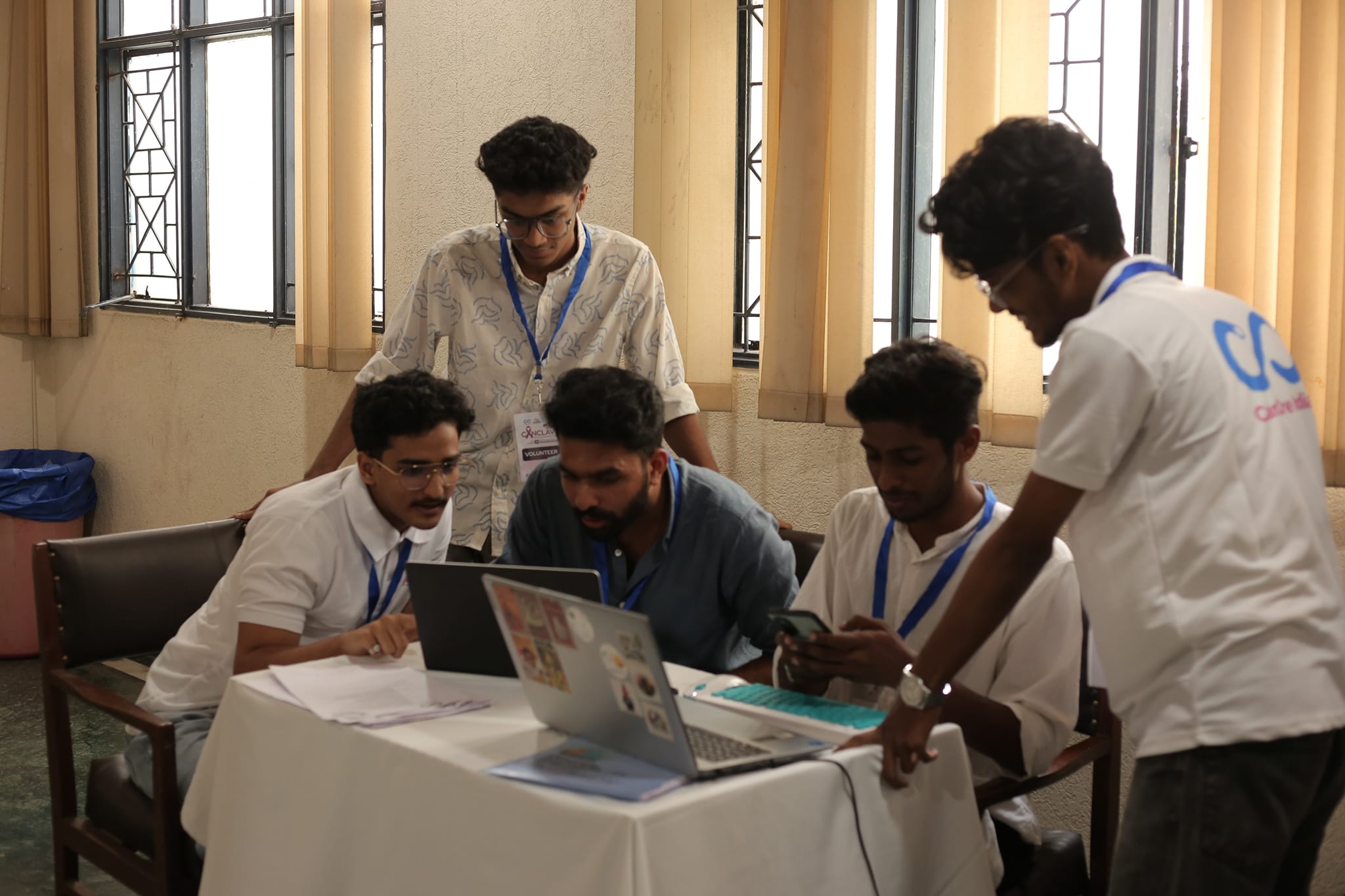
Our work began with direct social action. We came together as a group engaged in grassroots service, working closely with communities in rural North India. Through medical camps and outreach programmes, we encountered everyday health challenges, gaps in awareness, and the limits of short-term interventions. These early experiences shaped our understanding that health requires sustained engagement, knowledge, and responsibility beyond episodic care.
How the Work Took Shape
Ground-Level Engagement
Our early efforts focused on rural communities, particularly in parts of Haryana, where we conducted medical camps and social service programmes. Working closely with people on the ground exposed us to the realities of delayed care, limited awareness, and the need for continuity in health engagement.
Turning Toward Cancer Care
As our engagement deepened, cancer emerged as a recurring and urgent concern. With the involvement of Dr. Muhammad Sheedh, our work expanded to supporting cancer patients in Delhi and the National Capital Region. What began as service and assistance evolved into more structured efforts around cancer awareness, patient guidance, and early understanding.
Expanding Across Regions
Over time, our work extended to Kerala, bringing together diverse social contexts and reinforcing the need for an approach that could adapt across regions. This phase made it clear that lasting impact required an institutional framework that could engage communities, professionals, and public bodies in a sustained manner.
Becoming a Public Trust
To give structure, continuity, and accountability to the work already underway, we formally established CanCare India Foundation as a public charitable trust. This allowed us to move beyond individual efforts and toward a broader public health orientation, focusing on cancer literacy, preventive engagement, and institutional collaboration.